
Truck accidents are often far more complex than standard car accidents due to the size of the vehicles involved and the number of parties that may share responsibility. These cases require detailed investigations to determine exactly what happened, who is at fault, and how victims can recover compensation. Understanding how truck accident investigations work can help victims protect their rights and build a strong legal claim.
Why Truck Accident Investigations Are Important
A thorough investigation is the foundation of any successful truck accident claim. Unlike minor collisions, truck accidents can involve multiple layers of liability, including the driver, trucking company, maintenance providers, and even cargo loaders. Without a proper investigation, critical evidence may be lost, and victims may not receive the full compensation they deserve.
Investigations are also important because trucking companies and their insurers often act quickly after an accident. Their goal is to protect their interests, which may not align with the needs of the victim. This makes it essential to begin an independent investigation as soon as possible.
Initial Response and Scene Documentation
The investigation process begins immediately after the accident occurs. Law enforcement officers arrive at the scene to secure the area, assist injured individuals, and create an official accident report. This report includes important details such as the location of the accident, road conditions, and statements from those involved.
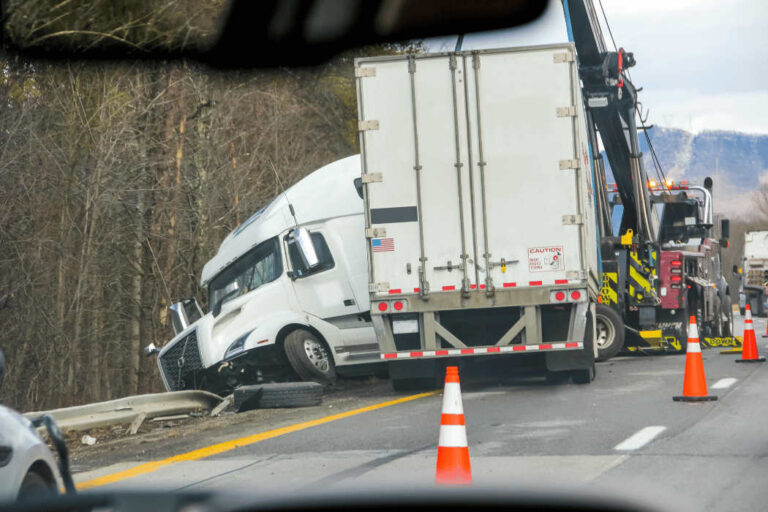
Photographs and videos of the accident scene are also crucial. These may capture vehicle damage, skid marks, weather conditions, and traffic signs. This visual evidence helps investigators reconstruct how the accident occurred and identify contributing factors.
Collecting Physical Evidence
Physical evidence plays a major role in determining the cause of a truck accident. Investigators examine the vehicles involved, looking for signs of damage that indicate how the collision happened. For example, the position and severity of damage can reveal the point of impact and the direction of force.
Skid marks, debris, and road conditions are also analyzed. These elements can provide insight into the speed of the vehicles, braking patterns, and whether the driver attempted to avoid the collision. In some cases, investigators may revisit the accident scene to gather additional evidence.
Reviewing Police Reports and Official Records
Police reports are a key component of any truck accident investigation. These reports include the officer’s observations, witness statements, and any citations issued at the scene. While the report itself may not determine fault, it provides a valuable starting point for further investigation.
In addition to police reports, investigators may review other official records, such as traffic camera footage or reports from emergency responders. These documents help create a clearer picture of the events leading up to the accident.
Analyzing Black Box Data
Most commercial trucks are equipped with electronic logging devices or event data recorders, commonly referred to as black boxes. These devices record important information about the truck’s operation, including speed, braking activity, engine performance, and driver behavior.
Black box data is often one of the most valuable pieces of evidence in a truck accident case. It can reveal whether the driver was speeding, failed to brake in time, or engaged in unsafe driving practices. Because this data can be overwritten or lost, it is important to preserve it as quickly as possible.
Examining Driver Logs and Employment Records
Truck drivers are required to follow strict regulations regarding their working hours. These rules are designed to prevent fatigue and ensure road safety. Investigators review driver logs to determine whether these regulations were followed.
If a driver exceeded the allowed hours or failed to take required breaks, it may indicate fatigue as a contributing factor. Employment records are also reviewed to assess the driver’s training, experience, and driving history. This helps determine whether the trucking company acted responsibly in hiring and supervising the driver.
Inspecting Vehicle Maintenance Records
Proper maintenance is essential for the safe operation of commercial trucks. Investigators examine maintenance records to determine whether the vehicle was regularly inspected and repaired as required.
If the truck had known mechanical issues that were not addressed, such as faulty brakes or worn tires, the trucking company or maintenance provider may be held responsible. Maintenance records can reveal patterns of neglect that contributed to the accident.
Evaluating Cargo Loading Practices
Cargo loading is another critical factor in truck accident investigations. Improperly loaded or overloaded cargo can affect the truck’s balance and handling, increasing the risk of rollovers or loss of control.
Investigators assess whether the cargo was loaded according to safety standards. If a third-party company was responsible for loading the truck, they may also be included in the claim. This adds another layer of complexity to the investigation.
Gathering Witness Statements
Witnesses can provide valuable insight into how the accident occurred. Their statements may confirm details such as the behavior of the truck driver, traffic conditions, and the sequence of events leading up to the collision.
Because memories can fade over time, it is important to collect witness statements as soon as possible. Investigators often contact witnesses directly to obtain detailed and accurate accounts.
Using Accident Reconstruction Experts
In complex cases, accident reconstruction experts may be brought in to analyze the evidence. These professionals use scientific methods, engineering principles, and computer simulations to recreate the accident.
Reconstruction experts can determine factors such as vehicle speed, angles of impact, and the sequence of events. Their findings can provide strong support for a legal claim and may be used as evidence in court.
Identifying All Liable Parties
One of the key goals of a truck accident investigation is to identify all parties who may be responsible for the accident. Unlike standard car accidents, liability in truck accidents is often shared among multiple parties.
The truck driver may be responsible for negligent driving, while the trucking company may be liable for poor hiring practices or failure to maintain the vehicle. In some cases, manufacturers, cargo loaders, or maintenance providers may also share responsibility.
Identifying all liable parties is important because it increases the chances of recovering full compensation. Each party may have its own insurance coverage, which can contribute to the overall claim.

The Role of a Truck Accident Attorney
A truck accident attorney plays a crucial role in the investigation process. They have the resources and experience needed to conduct a thorough investigation and gather all necessary evidence.
Attorneys work with experts, obtain official records, and ensure that important evidence is preserved. They also handle communication with insurance companies, protecting victims from low settlement offers or unfair tactics.
By building a strong case, an attorney helps ensure that victims receive the compensation they deserve for their injuries and losses.
Conclusion
Truck accident investigations are detailed and complex processes that require careful attention to every aspect of the incident. From collecting physical evidence and analyzing black box data to reviewing driver logs and identifying liable parties, each step plays a critical role in determining the outcome of a claim.
Understanding how these investigations work can help victims take the right steps after an accident and protect their legal rights. With the support of an experienced attorney and a thorough investigation, victims can pursue justice and secure the compensation needed to move forward with their lives.
About the Author